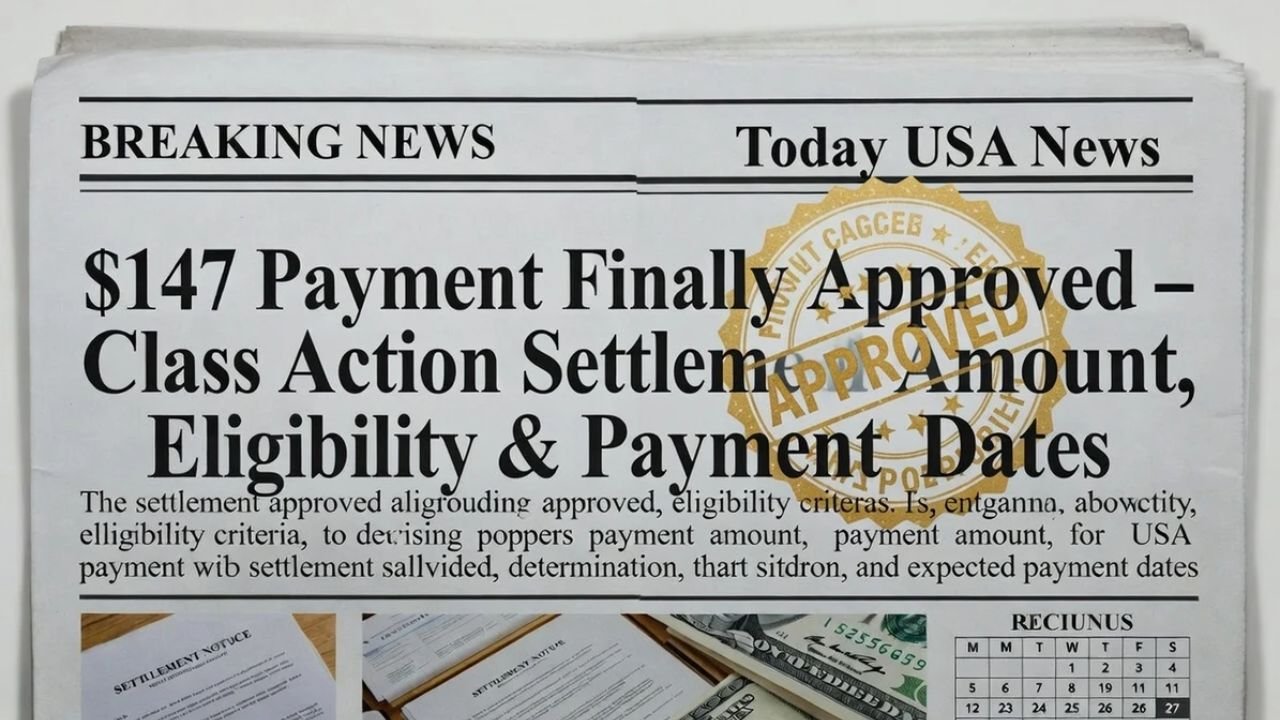
A seemingly modest figure of $147 has captured widespread attention across social media and messaging platforms in the United States. Viral posts and short videos have suggested this is a new government relief or surprise reward. In reality, the payment is tied to a class action settlement involving Cash App’s parent company, Block, Inc., and a specific group of users affected by alleged privacy violations.
Beyond the dollar amount, this settlement underscores the growing global conversation around digital consent, user data, and corporate accountability. For international observers, including those in India, the case offers a lens into how consumer protection laws are enforced in mature digital markets and how routine messages can result in legal action when consent protocols are overlooked.
Origins of the $147 Cash App Settlement
The settlement arose from a lawsuit against Block, Inc. over allegations of sending unsolicited promotional and referral text messages. Certain users reportedly received repeated marketing messages without explicit consent, potentially violating consumer protection and communication laws.
Rather than pursuing prolonged litigation, Block opted for a class action settlement. This method allows companies to compensate affected users while streamlining legal resolution. The $147 figure represents a per-person estimate, not a guaranteed amount for every claimant.
Why This Is Not Government Relief
A common misconception is that the $147 payment is a stimulus or IRS-backed benefit. Unlike federal relief programs, this settlement is entirely funded by Block, Inc., with courts overseeing distribution. Only those who meet narrow legal criteria are eligible. This distinction is crucial: while government payments apply broadly, class action settlements target specific claimants.
Eligibility Criteria
Eligibility is limited and primarily geographic. Claimants must have resided in Washington, D.C., had an active Cash App account, and received the allegedly unsolicited messages. Users outside this jurisdiction or those who did not submit a claim before the October 2025 deadline are ineligible.
Settlement administrators verify each submission to confirm residency, account activity, and message receipt. Only validated claims are approved for payment, which is why viral claims of “free money for all” are misleading.
Why the Amount May Vary
The $147 figure represents the estimated maximum per eligible claimant. Actual payouts depend on the total number of approved claims, legal fees, and administrative costs. Fewer claims can increase individual payouts closer to the advertised maximum, while more claims can reduce the per-person amount. This variable distribution is standard in U.S. class action settlements and is designed to ensure equitable allocation.
Payment Timeline and Distribution

With court approval granted in December 2025, distribution began in February 2026. Payments are typically issued in batches rather than a single nationwide release. Claimants who opted for digital transfers may receive funds sooner than those choosing mailed checks. Administrative processing, claim verification, and dispute resolution can extend the rollout over several weeks.
Broader Implications for Digital Privacy
The settlement highlights the importance of consent in digital communications. Even routine promotional messages can have legal consequences if sent without proper authorization.
“Companies often underestimate how seriously regulators and courts treat digital consent,” says Ananya Rao, a consumer-tech policy analyst. “This case demonstrates that user communication is as much a compliance requirement as a marketing tactic.” For startups and fintech companies expanding internationally, the case offers valuable lessons in policy adherence and consumer protection.
Public Reaction and Misinformation
Reactions online have ranged from relief among eligible claimants to frustration among those who assumed they qualified. Misinformation often fuels confusion, and scammers may exploit it to target personal data. It is essential for users to consult official settlement notices for accurate guidance. No additional claims are being accepted, and late applications are unlikely to receive compensation.
Lessons for Consumers and Companies
The $147 settlement illustrates several important points:
- Knowledge of eligibility and claim processes is critical.
- Digital consent and privacy compliance are non-negotiable legal requirements.
- Awareness of misinformation can prevent disappointment and protect personal data.
As digital payments continue to expand globally, similar cases are expected to influence consumer protection policies beyond the U.S., highlighting the intersection of law, technology, and user trust.
Conclusion
The $147 Cash App class action settlement is more than a modest payout—it represents legal accountability, consumer protection, and the evolving standards of digital privacy. While not a government stimulus, it offers insight into how companies must handle user data responsibly and demonstrates the importance of understanding eligibility and claim procedures. For eligible recipients, it provides financial compensation and a reminder that even small settlements can carry significant implications for both users and the broader tech industry.