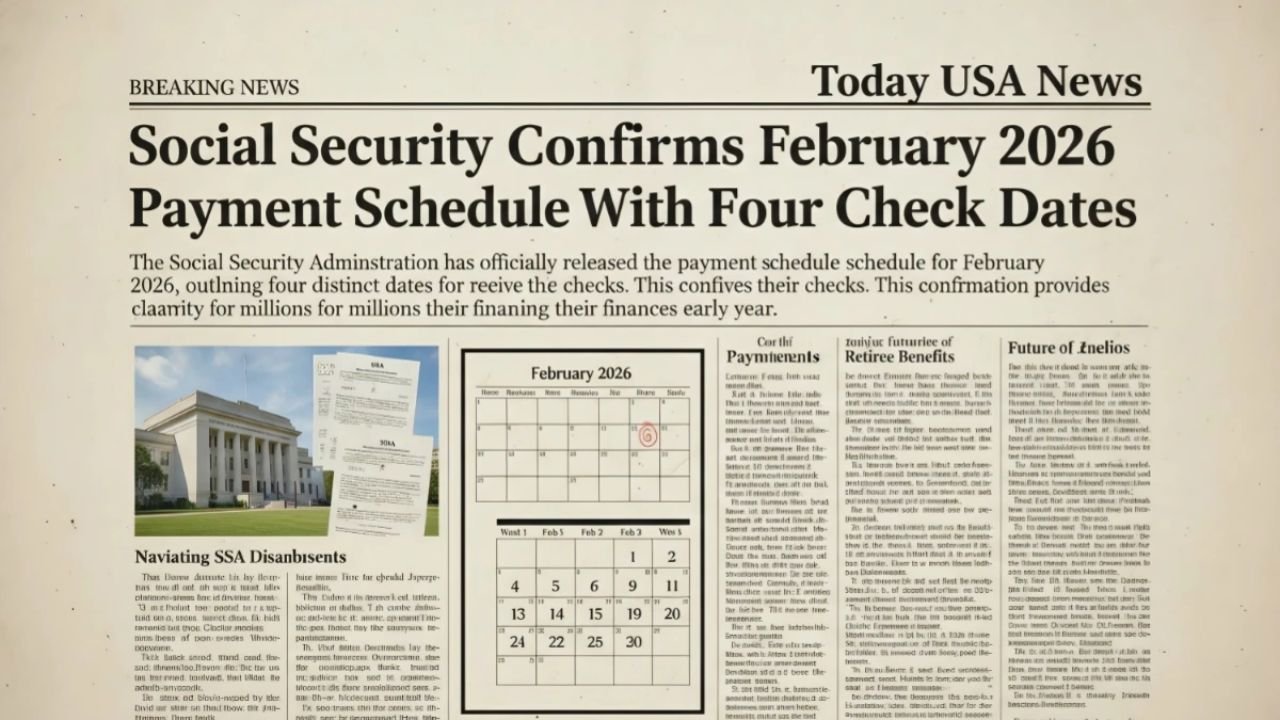
Millions of Americans relying on Social Security can now plan their finances with greater confidence as the Social Security Administration (SSA) has officially released the February 2026 payment calendar. With inflation and rising living costs continuing to squeeze household budgets, knowing exactly when benefits will hit bank accounts or Direct Express cards is crucial for retirees, disabled beneficiaries, and survivors alike. February, with its shorter month, often raises questions about timing, making these updates especially valuable.
Why February 2026 Payments Follow a Structured Schedule
The SSA distributes payments according to a long-established system designed for predictability and efficiency. Payment dates are determined by when an individual first began receiving benefits and, for many, their date of birth. This method prevents overcrowding at banks and ensures smooth processing for millions of transactions each month.

Shorter months like February can create uncertainty, but the underlying structure remains consistent. For beneficiaries, understanding their exact payment date helps avoid missed bills, overdrafts, and unnecessary stress.
First Payment: February 3
The first wave of Social Security payments for February 2026 will be made on February 3. This primarily benefits individuals who began receiving Social Security before May 1997, as well as Supplemental Security Income (SSI) recipients. Payments are delivered via direct deposit or the previously selected payment method, reflecting the SSA’s decades of experience in ensuring reliability for long-term beneficiaries.
Payment Dates Based on Birthdays
For recipients who started benefits after May 1997, payment timing depends on birth date:
- Born 1st–10th: Payment on February 11
- Born 11th–20th: Payment on February 18
- Born 21st–31st: Payment on February 25

This schedule allows the SSA to manage cash flow efficiently and provides beneficiaries with predictable dates to plan household expenses, from groceries to utility bills and prescriptions.
How the SSA Determines Timing
Two main factors dictate Social Security payment timing: the date a person first began benefits and their birth date. SSI recipients typically receive payments at the beginning of the month, with adjustments if the scheduled date falls on a weekend or holiday. This approach reduces administrative bottlenecks while ensuring beneficiaries receive timely income.
Financial planners emphasize that predictable deposit dates are critical for retirees living on fixed incomes. Knowing the exact day funds arrive allows for precise budgeting and avoids late fees or missed payments.
Dealing With Payment Delays

While rare, payment delays can occur due to bank processing, holidays, or weekends. The SSA recommends waiting at least three business days past the scheduled date before taking action. Most timing issues are resolved by checking bank accounts or Direct Express cards.
Persistent delays should be addressed directly through the SSA or via the secure “my Social Security” online portal. Monitoring accounts proactively helps reduce anxiety and ensures access to expected funds.
Planning Ahead With February Payments
Advance knowledge of the payment schedule allows households to align bill payments with Social Security deposits. February’s shorter month makes planning even more critical. Coordinating income and expenses can help avoid financial stress, optimize cash flow, and maintain stability. Maintaining an online SSA account also provides real-time notifications about deposits and adjustments.
Financial advisors recommend syncing recurring payments with expected Social Security deposits. This strategy helps retirees, survivors, and disability beneficiaries manage obligations efficiently, ensuring essential expenses are met without disruption.
Conclusion
The official February 2026 payment schedule provides clarity for millions of Social Security beneficiaries, reducing uncertainty and helping households plan their finances with confidence. By understanding payment waves, birth-date cohorts, and typical deposit methods, retirees and other recipients can ensure timely access to funds and avoid unnecessary stress.
Disclaimer: This article is for informational purposes only and does not constitute legal, financial, or retirement advice. Social Security payment schedules, rules, and benefit amounts may change based on official government updates. Readers should consult the Social Security Administration or a qualified professional for guidance specific to their individual situation.